Vinyl siding is the go‑to solution for homeowners who want a durable, low‑maintenance exterior cladding that also boosts curb appeal and energy efficiency. By swapping out old wood or aluminum panels with modern vinyl panels, you can protect your house from weather‑related wear while cutting down on paint‑and‑repair costs. Our step‑by‑step installation guide shows exactly how to achieve a seamless finish without hiring a contractor.
What Is Vinyl Siding and Why It Matters
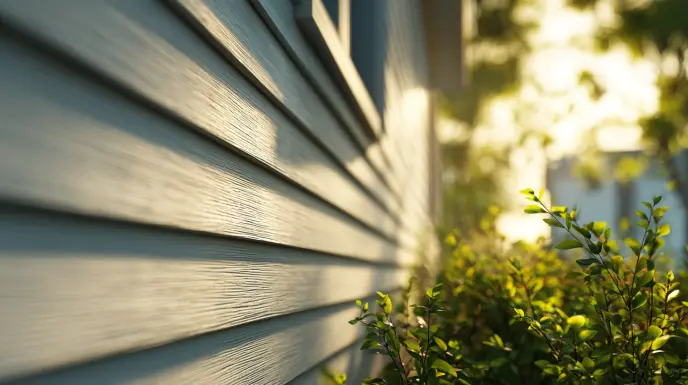
Vinyl siding is a synthetic polymer—primarily polyvinyl chloride (PVC)—manufactured into panels that snap together and attach to a home’s exterior framework. Since its rise in popularity during the 1970s, advances in formulation have made today’s products more flexible, UV‑resistant, and weather‑proof than ever before. According to the Home Builders Institute’s 2025 market report, vinyl now accounts for 45 % of all new residential siding installations in the United States, outpacing fiber cement and engineered wood.
Key Benefits of Vinyl Siding
Homeowners choose vinyl siding for several compelling reasons:
Table of Contents
- What Is Vinyl Siding and Why It Matters
- Key Benefits of Vinyl Siding
- Choosing the Right Profile and Color
- Vinyl Siding Installation – A Practical Walkthrough
- 1. Prepare the Substrate
- 2. Measure and Cut Panels
- 3. Install Starter Strips
- 4. Snap‑On the Siding
- 5. Finish Trim and Accents
- Common Mistakes and How to Avoid Them
- Cost Considerations and Return on Investment
- Case Study: Transforming a 1970s Ranch Home
- Frequently Asked Questions
- Is vinyl siding recyclable?
- How long does vinyl siding last?
- Can I paint vinyl siding?
- Final Thoughts
- Low‑maintenance: No sanding, no repainting. A simple hose down or occasional soap‑and‑water wash keeps it looking fresh.
- Energy‑efficient: Insulated vinyl panels can reduce heating and cooling loads by up to 12 % (U.S. Department of Energy, 2026).
- Weather‑resistant: Modern formulations resist fading, cracking, and moisture intrusion, even in harsh climates.
- Cost‑effective: The average per‑square‑foot price in 2026 is $4.20, well below fiber cement’s $6.80, while offering comparable durability.
Choosing the Right Profile and Color
The visual impact of vinyl siding hinges on the profile (the shape of the panel) and the color palette you select. Popular profiles include:
- Traditional clapboard: Mimics classic wood lap siding.
- Vertical panel: Ideal for modern, sleek facades.
- Shingle style: Adds texture and depth, perfect for craftsman‑type homes.
When picking a hue, remember that darker colors absorb more heat, potentially offsetting the material’s energy‑saving qualities. Light neutrals such as “Sandy Dune” or “Mist Gray” reflect sunlight, helping maintain a cooler interior during summer months.
Vinyl Siding Installation – A Practical Walkthrough
Even if you’ve never tackled an exterior project, the following steps break down the process into manageable tasks. For a more detailed checklist, see our Vinyl Siding Installation Checklist.
1. Prepare the Substrate
Remove old siding, repair any damaged sheathing, and install a weather‑resistant barrier (WRB) such as Tyvek. Proper ventilation behind the siding prevents moisture buildup.
2. Measure and Cut Panels
Measure each wall’s length and height, then cut panels with a utility knife, leaving a ¼‑inch expansion gap at corners and windows.
3. Install Starter Strips
Attach starter strips at the bottom of each wall using corrosion‑resistant nails. These strips set the angle for the first row and keep water from infiltrating the wall cavity.
4. Snap‑On the Siding
Begin at the lowest corner and work upward, locking each panel into the one below. Use a siding removal tool to lock panels securely without cracking the edges.
5. Finish Trim and Accents
Apply J‑channel around doors, windows, and rooflines. Seal all seams with a high‑quality, paint‑compatible caulk to guard against wind‑driven rain.
Common Mistakes and How to Avoid Them
Even seasoned DIYers can slip up. Here are pitfalls that often lead to premature failure:
- Skipping the WRB: Without a proper barrier, moisture can seep behind the siding, causing rot.
- Improper nail depth: Driving nails too deep crushes the panel’s lip, while too shallow nails allow wind uplift.
- Ignoring expansion gaps: Vinyl expands up to 0.5 % with temperature changes; gaps prevent buckling.
Addressing these issues during the planning stage saves time and money in the long run.
Cost Considerations and Return on Investment
Vinyl siding’s upfront cost is modest, but its ROI is compelling. A 2025 study by the National Association of Home Builders found that a full vinyl siding upgrade increased resale value by an average of 4.5 %—roughly $7,800 on a $173,000 home. When you factor in energy savings of $300–$450 per year, the payback period can be under ten years.
Case Study: Transforming a 1970s Ranch Home
John and Maya Patel owned a 2,100‑sq‑ft ranch house built in 1973. Their original clapboard had warped and required annual repainting. After consulting our vinyl siding benefits article, they chose insulated, vertical‑panel vinyl in “Sea Breeze.” The installation took five days, cost $8,800, and resulted in a 9 % reduction in HVAC usage during summer 2025. Six months later, the home sold for $12,000 above the neighborhood average, confirming the upgrade’s market impact.
Frequently Asked Questions
Is vinyl siding recyclable?
Yes. Most manufacturers accept old vinyl panels for recycling, and the material can be repurposed into new siding, flooring, or even park benches.
How long does vinyl siding last?
With proper installation and maintenance, a quality vinyl product can last 30–40 years, according to the Vinyl Siding Institute’s 2026 warranty survey.
Can I paint vinyl siding?
While possible, painting is generally discouraged because it voids warranties and adds unnecessary maintenance. Modern color‑technology provides fade‑resistant finishes that retain their vibrancy for decades.
Final Thoughts
Vinyl siding delivers a winning combination of durability, energy efficiency, and aesthetic versatility. By selecting the right profile, respecting installation best practices, and avoiding common errors, homeowners can enjoy a low‑maintenance exterior that pays for itself through energy savings and increased property value. Ready to upgrade? Start with our Vinyl Siding Quick‑Start Checklist and see how a few simple steps can transform your home’s look and performance.
