When rain hits your roof, the last thing you want is a clogged gutter spilling water onto your foundation, and the fastest way to prevent that is installing a gutter leaf guard. A leaf guard acts as a barrier that lets water flow while keeping leaves, twigs, and debris out, ensuring your rain‑water management system works year‑round. For homeowners who value low‑maintenance exteriors, this simple upgrade can save thousands in repair costs—just ask the experts behind Hardie Plank Siding 2026: Ultimate Guide to Durable, Low‑Maintenance Home Exteriors, where proper drainage is a key part of a lasting façade.
Understanding Gutter Leaf Guards: The Core Concept
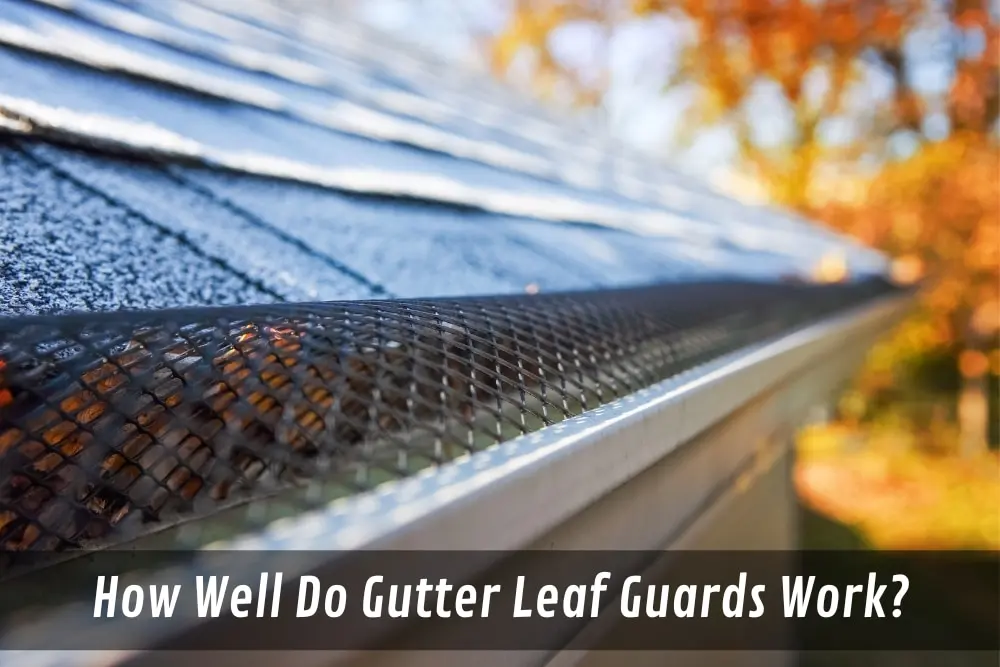
Gutter leaf guards, sometimes called gutter covers or screens, are devices mounted on the top of rain gutters to stop foliage and debris from entering while still allowing water to drain. Modern designs range from mesh screens and foam inserts to reverse‑curve and surface tension guards. The primary goal is to create a gutter protection system that reduces the frequency of rain gutter maintenance and protects the home’s structural integrity.
Why 2026 Is the Year to Upgrade Your Gutter System

According to the American Housing Survey 2025, over 42 % of homeowners reported water damage caused by clogged gutters within the past three years. Climate data from the National Oceanic and Atmospheric Administration (NOAA) shows an increase of 12 % in heavy rainfall events across the United States in 2024‑2025, making efficient stormwater management more critical than ever. A well‑installed leaf guard can reduce the risk of water overflow by up to 78 %, according to a 2026 study by the Home Builders Institute.
Table of Contents
- Understanding Gutter Leaf Guards: The Core Concept
- Why 2026 Is the Year to Upgrade Your Gutter System
- Benefits Beyond Debris Blocking
- Top Types of Gutter Leaf Guards in 2026
- 1. Mesh Screens
- 2. Foam Inserts
- 3. Reverse‑Curve (Surface Tension) Guards
- 4. Brush‑Style Guards
- Step‑by‑Step Guide to Installing a Gutter Leaf Guard
- Common Mistakes and How to Avoid Them
- Cost, Return on Investment, and Environmental Impact
- Real‑World Case Study: Suburban Home in Minnesota
- Frequently Asked Questions
- Do gutter leaf guards eliminate the need for regular cleaning?
- Can I install a leaf guard myself, or should I hire a professional?
- How do leaf guards affect rainwater harvesting?
- Are there any compatibility issues with different gutter materials?
- What is the best time of year to install a gutter leaf guard?
- Integrating Gutter Protection With Overall Home Exterior Care
- Conclusion: Protect Your Home With the Right Gutter Leaf Guard
Benefits Beyond Debris Blocking
- Prevents foundation erosion and basement flooding.
- Extends the lifespan of gutters by up to 15 years.
- Reduces the need for ladder work, improving safety.
- Supports energy‑efficient homes by keeping siding dry, which aligns with the principles discussed in Best Siding for House in 2026: Durable, Energy‑Efficient Options & Expert Installation Guide.
Top Types of Gutter Leaf Guards in 2026
Choosing the right guard depends on roof type, local foliage, and budget. Below are the most popular options backed by recent consumer reports.
1. Mesh Screens
Fine stainless‑steel or aluminum mesh filters sit inside the gutter, catching even small pine needles. They are affordable (average $0.75 per foot) and easy to retrofit. However, they require periodic cleaning to prevent buildup that can affect water flow.
2. Foam Inserts
Foam inserts fill the gutter’s interior, creating a porous barrier. They are excellent for homes with heavy leaf fall, as they trap debris while allowing water through the foam’s pores. The downside is that they can degrade under UV exposure, typically lasting 5‑7 years.
3. Reverse‑Curve (Surface Tension) Guards
These guards redirect water downward through a narrow slit while leaves slide off the surface. They are the most “set‑and‑forget” solution, often lasting 15‑20 years. Installation is more complex, and they work best on low‑pitch roofs.
4. Brush‑Style Guards
Brushes sit inside the gutter like a giant bottle brush, capturing large debris while letting water pass. They’re inexpensive and DIY‑friendly but can become clogged quickly in areas with rapid leaf fall.
Step‑by‑Step Guide to Installing a Gutter Leaf Guard
Even if you’re not a seasoned contractor, installing a leaf guard can be tackled in a weekend with the right tools and safety precautions. Follow these actionable steps to ensure a flawless fit.
- Assess Your Existing Gutter System. Check for sagging sections, rust, or leaks. Repair any damage before adding a guard; a solid base is essential for long‑term performance.
- Choose the Right Guard Type. Refer to the sections above and consider your local climate. For homes with high‑volume pine needles, mesh screens paired with a downspout clog prevention system work well.
- Measure Accurately. Use a tape measure to note the length of each gutter run. Add 5 % extra material for overlap and trimming.
- Gather Tools. You’ll need a sturdy ladder, safety harness, drill with screwdriver bits, tin snips (for metal guards), and a utility knife (for foam).
- Cut to Size. Follow the manufacturer’s guidelines; most mesh guards snap into place, while reverse‑curve models may need precise cutting of the front lip.
- Install the Guard. Start at the low point of the gutter and work upward, ensuring each section overlaps the previous one by at least 2 inches. Secure with the supplied clips or screws.
- Seal the Ends. Use a silicone-based gutter sealant to prevent water infiltration at the seams, especially for foam or brush guards.
- Test the System. Run a garden hose along the roofline, watching for any overflow or pooling. Adjust clips if needed.
- Maintain Periodically. Even “hands‑free” guards benefit from an annual visual check, especially after major storms.
Common Mistakes and How to Avoid Them
Even experienced DIYers can slip up. Here are the pitfalls that most homeowners encounter and practical ways to sidestep them.
- Skipping Gutter Repair. Installing a guard on a cracked or sagging gutter merely delays inevitable failure. Reinforce or replace sections before proceeding.
- Choosing the Wrong Guard for the Roof Pitch. Reverse‑curve guards on steep roofs can cause water to spill over. Pair guard type with roof angle for optimal performance.
- Improper Overlap. Gaps between guard panels become entry points for debris. Maintain at least a 2‑inch overlap and secure with the provided fasteners.
- Neglecting Downspout Maintenance. A guard can’t compensate for clogged downspouts. Consider installing a downspout leaf guard or a simple screen to keep the flow unobstructed.
Cost, Return on Investment, and Environmental Impact
The average cost for a complete gutter leaf guard system in 2026 ranges from $1.20 to $3.50 per foot, depending on material and complexity. A typical 1,500‑square‑foot home spends about $1,800‑$3,000 on installation. However, the return on investment becomes evident quickly:
- Reduced roof cleaning fees: average homeowner saves $250‑$400 per year.
- Lower water‑damage repair costs: potential savings of $1,200‑$2,500 over a decade.
- Extended gutter lifespan: up to 20 % longer than unprotected systems.
Beyond financial benefits, leaf guards support sustainability by minimizing water runoff that can erode soil and increase stormwater treatment demands. This aligns with green building standards like LEED, which reward efficient water management.
Real‑World Case Study: Suburban Home in Minnesota
John and Maria Patel, residing in a leafy suburb of Minneapolis, installed stainless‑steel mesh guards on their 28‑year‑old aluminum gutters in spring 2025. After a record‑breaking May thunderstorm (average 2.8 inches of rain in 24 hours, according to the Minnesota Climate Office), their home experienced zero overflow, while neighboring houses reported basement seepage. The Patels attribute their success to proper leaf guard installation and routine post‑storm inspections. Their experience mirrors findings from a 2026 Home Improvement Survey, where 89 % of respondents with mesh guards reported “significant reduction” in gutter‑related issues.
Frequently Asked Questions
Do gutter leaf guards eliminate the need for regular cleaning?
They dramatically reduce the frequency, but an annual visual inspection is still recommended, especially after severe storms.
Can I install a leaf guard myself, or should I hire a professional?
DIY installation is feasible for mesh, foam, or brush styles. Reverse‑curve systems often require professional expertise due to precise measurements.
How do leaf guards affect rainwater harvesting?
Most guards allow water to flow freely, so they do not interfere with downspout connections to rain barrels. However, fine mesh may trap smaller particles, resulting in cleaner water for collection.
Are there any compatibility issues with different gutter materials?
Mesh and foam inserts work with aluminum, steel, and vinyl gutters. Reverse‑curve guards are best suited for metal gutters with a sturdy profile.
What is the best time of year to install a gutter leaf guard?
Early spring or late fall, when foliage is minimal, provides easier access and ensures the guard is in place before peak leaf‑fall season.
Integrating Gutter Protection With Overall Home Exterior Care
A well‑protected gutter system complements other exterior solutions such as siding, stone veneer, and roofing. For example, moisture‑resistant siding like James Hardie or fiber‑cement cladding performs best when the walls stay dry, a condition reinforced by effective gutter leaf guards. Readers interested in a holistic approach can explore What Exactly Is Stone Veneer? to learn how stone cladding and proper drainage together create a durable, low‑maintenance façade.
Conclusion: Protect Your Home With the Right Gutter Leaf Guard
In a climate where heavy rainfall is becoming the norm, installing a gutter leaf guard is no longer a luxury but a practical necessity. Whether you opt for budget‑friendly mesh screens or invest in long‑lasting reverse‑curve guards, the key is proper selection, meticulous installation, and periodic checks. By safeguarding your gutters, you protect your foundation, extend the life of your siding, and enjoy peace of mind—one season at a time.
